
Key Takeaways
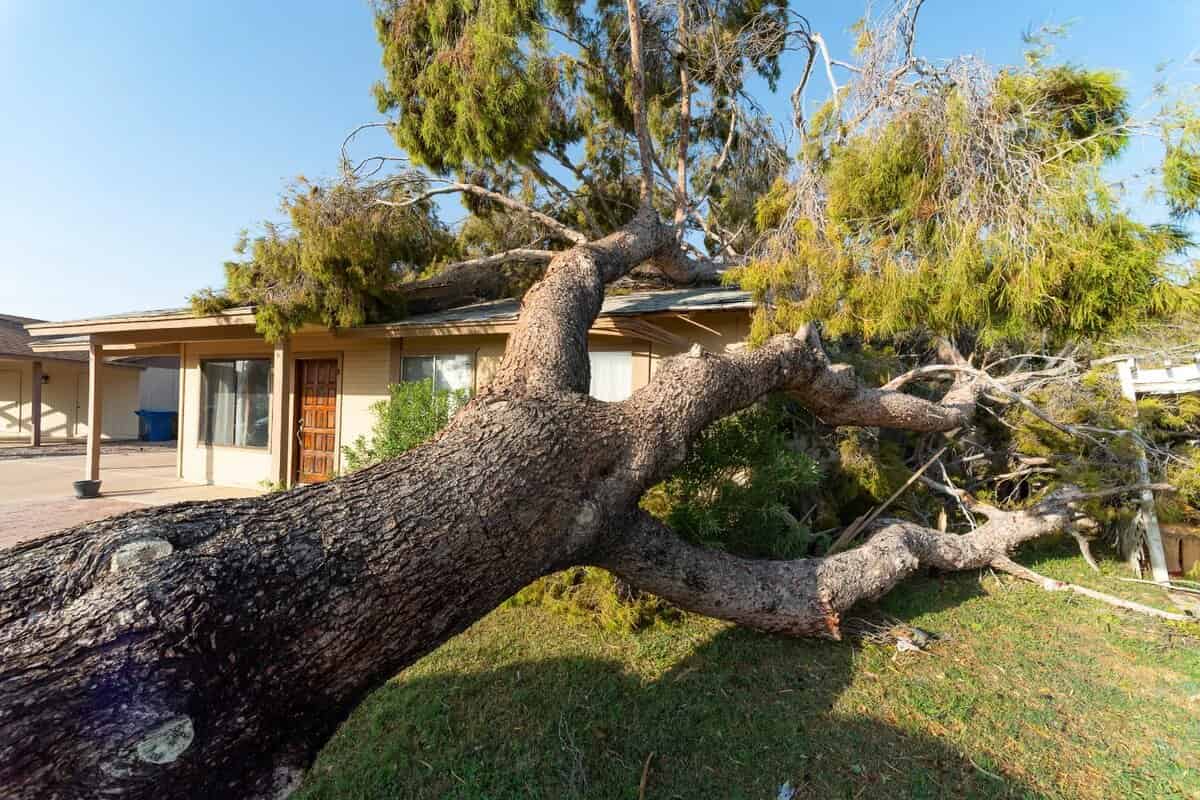
- Sudden leaning of a previously upright tree is a serious warning sign
- Fungal growth at the base often indicates internal decay and structural weakness
- Dead branches in the crown (widow makers) pose immediate falling hazards
- Cracks in the trunk or major branches indicate potential failure points
- Trees showing multiple warning signs should be assessed by a qualified arborist
Why Tree Hazards Matter
Trees add beauty, shade, and value to Sydney properties, but they can also become dangerous. Knowing the warning signs helps you identify problems before they cause property damage or injury. Here are the 10 critical signs that indicate a tree may be hazardous.
1. Sudden Leaning
A tree that has recently started leaning is a serious warning sign. While some trees naturally grow at an angle, a previously upright tree that suddenly leans indicates potential root failure.
What to Look For
- New or increasing lean from vertical
- Cracked or heaved soil on the opposite side
- Exposed or broken roots
- Recent heavy rain or soil disturbance
Risk Level
HIGH -- Contact an arborist immediately. The tree may fail completely with little warning.
2. Fungal Growth at the Base
Mushrooms, conks, or bracket fungi growing at the base of a tree often indicate internal decay of roots or the lower trunk -- areas critical for structural stability.
What to Look For
- Mushrooms clustered around the trunk base
- Shelf-like brackets on lower trunk
- Soft, punky wood at ground level
- Annual fruiting bodies (often autumn)
Risk Level
HIGH -- Professional assessment essential. The tree may look healthy above ground while being structurally compromised below.
3. Dead Branches (Widow Makers)
Dead branches in the canopy -- sometimes called "widow makers" -- can fall at any time, without warning. They're particularly dangerous over areas where people spend time.
What to Look For
- Branches without leaves (in growing season)
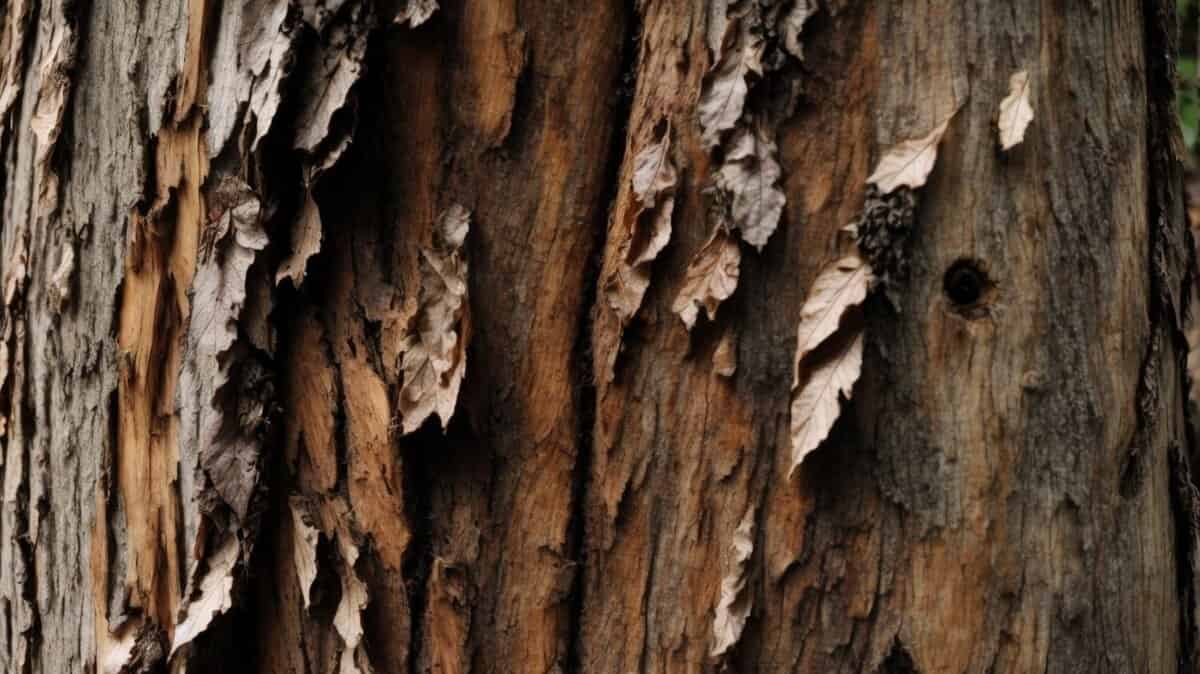
- Bark falling off or missing
- Branches hanging or caught in the canopy
- Distinct dead sections within otherwise healthy canopy
Risk Level
MEDIUM to HIGH -- Dead branches should be removed promptly. This is often possible without removing the tree through professional tree pruning.
4. Trunk Cracks and Splits
Vertical cracks or splits in the trunk indicate structural weakness that may lead to catastrophic failure.
What to Look For
- Vertical cracks running along the trunk
- Deep splits where branches meet the trunk
- Bark separating from the wood beneath
- Cracks that are widening over time
Risk Level
HIGH -- Cracks indicate the tree is already failing structurally. Professional assessment should determine if the tree can be saved or needs removal.
5. V-Shaped Branch Unions
Branches that join the trunk in a tight V-shape (rather than a U-shape) are structurally weaker and prone to splitting, especially during storms.
What to Look For
- Tight, narrow angles where branches meet trunk
- Included bark visible in the union
- Multiple leaders (co-dominant stems) of equal size
- Previous splits or cracks at union points
Risk Level
MEDIUM -- Often manageable with cabling, bracing, or selective pruning by a qualified arborist.
6. Cavities and Hollows
While hollows provide valuable wildlife habitat, large cavities in the trunk or major branches can compromise structural integrity.
What to Look For
- Visible holes or openings in the trunk
- Cavities large relative to trunk diameter
- Multiple cavities at similar heights
- Evidence of active decay (soft wood, sawdust)
Risk Level
VARIABLE -- Depends on cavity size, location, and remaining wall thickness. Professional assessment required.
7. Root Damage or Decay
Damaged or decaying roots compromise the tree's stability and anchor in the soil.
What to Look For
- Visible root damage from construction or excavation
- Fungal growth on exposed roots
- Soil heaving or movement around the base
- Recent excavation within the tree's drip line
Risk Level
HIGH -- Root damage often manifests in tree failure years later. Document any root zone disturbance and monitor the tree closely.
8. Extensive Dieback
When a significant portion of a tree's crown is dead or dying, it indicates serious health problems that may affect structural integrity.
What to Look For
- More than 25% of canopy showing dieback
- Progressive branch death over time
- Sparse foliage compared to previous years
- Early leaf drop or failure to leaf out in spring
Risk Level
MEDIUM to HIGH -- Dieback indicates underlying stress or disease. The tree may recover with treatment or may continue to decline.
9. Bark Damage and Wounds
Large wounds or areas of missing bark create entry points for decay and can indicate structural problems.
What to Look For
- Large areas of missing or damaged bark
- Old wounds that haven't healed
- Oozing or bleeding from trunk wounds
- Exposed wood showing signs of decay
Risk Level
VARIABLE -- Small wounds may heal naturally. Large wounds or those showing decay require assessment.
10. Multiple Warning Signs Together
A tree showing any single warning sign warrants attention. A tree showing multiple signs is significantly more likely to fail and should be treated as a priority.
High-Priority Combinations
- Leaning + fungal growth at base
- Trunk cracks + dieback
- Root damage + any crown symptoms
- Dead branches + cavities
Risk Level
HIGH -- Multiple warning signs indicate compounding problems. Seek immediate professional assessment.
What to Do If You Spot Warning Signs
Immediate Actions
- Keep people and pets away from the tree's fall zone
- Don't park vehicles under the tree
- Document the signs with photos
- Note any recent changes or events (storms, excavation)
Get Professional Assessment
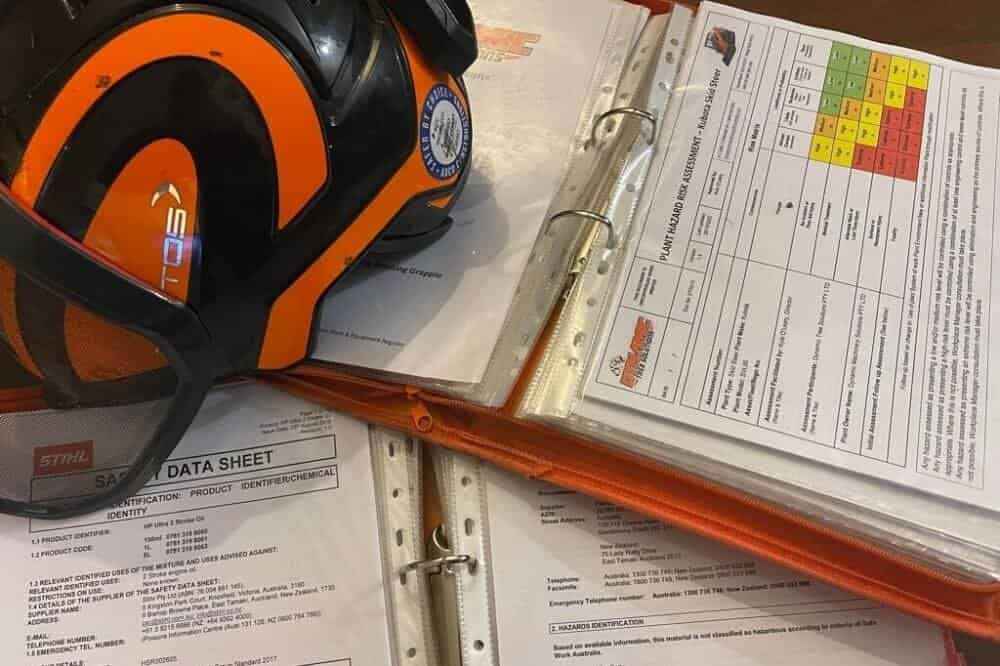
A qualified arborist can conduct a thorough Tree Risk Assessment (TRAQ) to:
- Accurately evaluate the level of risk
- Identify structural defects not visible to untrained eyes
- Recommend appropriate action (monitoring, pruning, removal)
- Provide documentation for insurance or council purposes
Management Options
Depending on assessment findings:
- Monitoring: Low-risk trees may just need regular observation
- Pruning: Removing hazardous branches while preserving the tree
- Cable/bracing: Structural support for weak unions
- Removal: When risk is too high, safe tree removal is the appropriate response
Frequently Asked Questions
How do I know if a tree might fall on my house?
Consider the tree's height and lean -- could it reach your house if it fell? Look for warning signs listed above, particularly leaning, trunk cracks, or root problems. If in doubt, get a professional assessment.
Can a dangerous tree be saved?
Often, yes. Depending on the issue, pruning, cabling, or treatment may reduce risk to acceptable levels. However, severely compromised trees may require removal for safety.
Do I need council approval to remove a dangerous tree?
Genuinely hazardous trees can usually be removed under emergency provisions, but documentation is important. An arborist report demonstrating the hazard protects you from penalties.
Should I be worried about gum trees?
Eucalypts have a reputation for branch drop, particularly in hot, still weather. However, well-maintained gum trees are no more dangerous than other species. Regular deadwood removal and inspection reduce risks significantly.
Preventing Tree Hazards
- Regular inspections: Annual checks by you; professional assessment every 3-5 years for large trees
- Prompt maintenance: Address dead branches and minor problems before they become major
- Protect root zones: Avoid excavation and compaction within the drip line
- After storms: Check trees for new damage and address issues promptly
Concerned About a Tree?
If you have noticed warning signs, keep people clear of any immediate hazard and seek an appropriate assessment. Sydney Tree Services accepts tree condition and urgent tree enquiries across Greater Sydney. Share the property and tree details or call 0422 699 777 to check the next step.

Sydney Tree Services
Sydney Tree Services
Sydney Tree Services provides tree removal, pruning, stump grinding and arborist services across Greater Sydney.
Contact Us