
Key Takeaways
- Most Sydney councils require arborist reports for DAs affecting trees
- Reports must be prepared by AQF Level 5 qualified consulting arborists
- Arboricultural Impact Assessments (AIAs) are standard for development sites
- Tree Protection Plans are required for retained trees during construction
- Quality reports with clear recommendations significantly improve DA approval rates
When You Need an Arborist Report for a DA
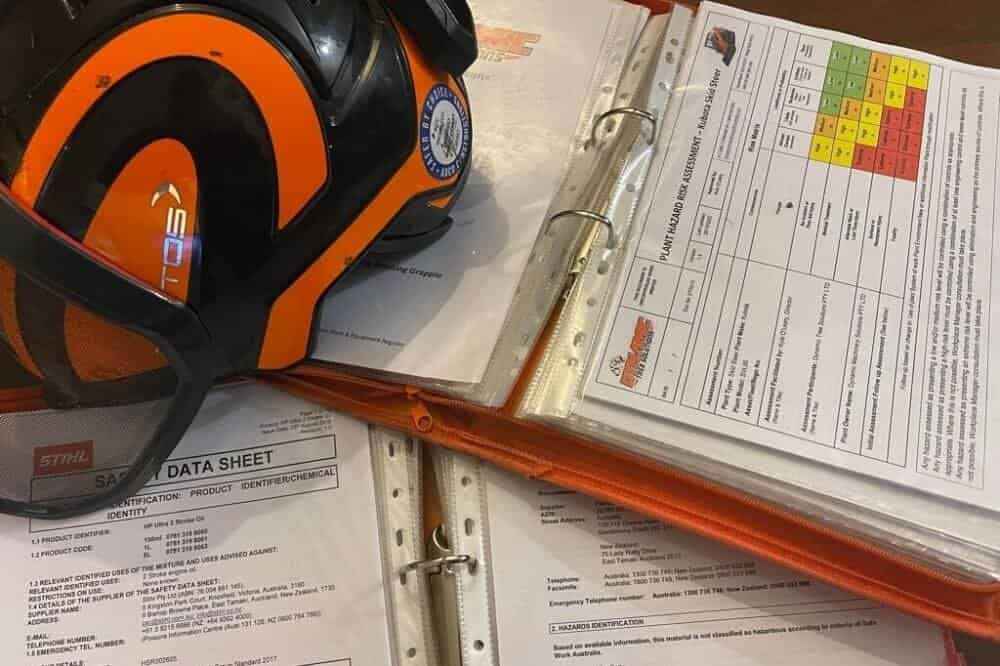
If your development application (DA) involves land with trees, you'll likely need an arborist report. Sydney councils require these reports when development may affect trees--whether through removal, construction near root zones, or changes to the surrounding environment.
Common Triggers
- Proposed building within the Tree Protection Zone (TPZ) of existing trees
- Any trees proposed for removal on the site
- Excavation, level changes, or services installation near trees
- Driveway or hardstand construction within tree root zones
- Subdivision affecting treed land
- Trees on neighbouring properties that may be impacted
Types of Arborist Reports for DAs
Arboricultural Impact Assessment (AIA)
The most detailed report type, typically required for significant developments:
- Purpose: Assess all trees on and near the site, evaluate development impacts, provide recommendations
- Contents: Tree schedule, health assessments, TPZ calculations, impact analysis, recommendations
- Cost: $550-$1,200 depending on tree numbers and site complexity
- When required: New dwellings, major extensions, subdivisions
Tree Protection Plan (TPP)
A practical document showing how retained trees will be protected during construction:
- Purpose: Specify protection measures for retained trees
- Contents: Protection zone fencing, ground protection, pre-construction treatments, monitoring schedule
- Cost: Often included with AIA, or $300-$500 standalone
- When required: Any DA where trees are being retained near construction
Arboricultural Method Statement (AMS)
Detailed procedures for specific construction activities near trees:
- Purpose: Provide step-by-step guidance for works within TPZs
- Contents: Excavation methods, root pruning protocols, supervision requirements
- Cost: $250-$500 per method statement
- When required: When construction encroaches into tree protection zones
What Councils Look for in Arborist Reports
Quality reports that satisfy council assessors include:
Accurate Tree Information
- Correct species identification (botanical and common names)
- Accurate measurements (height, canopy spread, trunk diameter)
- Professional health and structural assessments
- Clear site plan with tree locations
Thorough Impact Analysis
- TPZ and Structural Root Zone calculations per AS 4970
- Overlay of development footprint on tree locations
- Analysis of each tree's likelihood of survival post-construction
- Consideration of neighbouring trees
Clear Recommendations
- Trees to be retained, removed, or transplanted
- Specific protection measures for each retained tree
- Any design modifications recommended
- Post-construction care requirements
Professional Standards
- Compliance with AS 4970-2009 (Protection of Trees on Development Sites)
- Prepared by an AQF Level 5 qualified arborist
- Clear methodology and reasoning
- Professional indemnity insurance
The Arborist Assessment Process
Step 1: Site Assessment
The arborist visits your site to:
- Identify and tag all trees for reference
- Record measurements and locations
- Assess health, structure, and significance
- Photograph trees and notable features
- Review proposed development plans
Step 2: Impact Analysis
Back in the office:
- Calculate Tree Protection Zones
- Overlay development plans to identify conflicts
- Assess viability of retaining trees with encroachment
- Research council-specific requirements
Step 3: Report Preparation
The arborist prepares the formal report including:
- Executive summary of findings
- Detailed tree schedule
- Impact assessment for each tree
- Recommendations and conditions
- Tree Protection Plan if required
Step 4: Lodgement Support
Good arborists provide:
- Reports formatted for council submission
- Response to council queries if they arise
- Updated reports if designs change
Arborist Report Costs for DAs
| Report Type | Typical Cost | Turnaround |
|---|---|---|
| Simple AIA (1-5 trees) | $550-$750 | 5-10 days |
| Standard AIA (6-15 trees) | $750-$1,000 | 7-14 days |
| Complex AIA (15+ trees) | $1,000-$1,500+ | 14-21 days |
| Tree Protection Plan | $300-$500 | 5-7 days |
| Method Statement | $250-$500 | 3-5 days |
| Rush Service | +50-100% | 24-72 hours |
Read our detailed arborist report cost guide for more information.
How Quality Reports Improve DA Approval
A thorough, professional arborist report can significantly improve your DA's chances:
Demonstrates Due Diligence
Councils want to see that tree impacts have been properly considered, not dismissed. A thorough report shows you take tree preservation seriously.
Pre-empts Council Questions
Good reports address the questions council assessors will ask. This reduces requests for additional information that delay approvals.
Provides Defensible Positions
When tree removal is genuinely necessary, a quality report provides the justification councils need to approve it.
Supports Design Modifications
If your design can be modified to retain significant trees, an arborist can demonstrate the value of these changes.
Common Mistakes to Avoid
Leaving Trees Out of Reports
Councils notice when significant trees aren't addressed. Include all trees on and adjacent to the site, including neighbours' trees near boundaries.
Using Unqualified Arborists
Reports prepared by arborists without appropriate qualifications may be rejected. Ensure your arborist holds at least AQF Level 5 for DA reports.
Underestimating Tree Protection Zones
TPZs calculated incorrectly give councils reason to question the entire report. Ensure calculations follow AS 4970-2009.
Generic Recommendations
"Standard protection measures" isn't enough. Reports should provide specific, practical recommendations for your site.
Ignoring Neighbours' Trees
Trees near boundaries can be affected by your development. Failing to address them creates problems with both councils and neighbours.
Post-Approval Requirements
Your DA consent conditions will likely include tree-related requirements:
- Pre-construction meeting: With project arborist before any site works
- Tree protection fencing: Install before demolition or construction begins
- Arborist supervision: For specific works within TPZs
- Monitoring inspections: Regular checks during construction
- Post-construction report: Confirming tree condition at completion
Sydney Tree Services can provide ongoing arborist supervision and monitoring as required by your DA conditions.
Choosing an Arborist for DA Reports
When selecting an arborist for your development application:
- Qualifications: AQF Level 5 minimum for DA reports
- Experience: Ask specifically about DA work and council submissions
- Local knowledge: Familiarity with your specific council's requirements
- Insurance: Professional indemnity insurance
- Turnaround: Can they meet your project timeline?
- Support: Will they respond to council queries?
Frequently Asked Questions
Can I submit my DA without an arborist report?
If your site has significant trees, submitting without a report will likely result in rejection or a request for additional information--delaying your approval. It's more efficient to include a proper report from the start.
What if I want to remove all trees on the site?
You still need an arborist report. The report must justify why removal is necessary and typically propose compensatory planting. Councils rarely approve wholesale removal without strong justification.
How close can I build to a tree?
This depends on the tree's size, species, and calculated Tree Protection Zone. An arborist can calculate this precisely. Some encroachment may be acceptable with appropriate protection measures.
Can the arborist help redesign my project?
Many arborists work collaboratively with architects and designers to find solutions that accommodate both development and tree retention. This collaborative approach often produces the best outcomes.
What if my report recommends removing trees I want to keep?
Discuss alternatives with your arborist. There may be design modifications, protection measures, or staged construction approaches that enable retention.
DA Arborist Reports You Can Trust
Sydney Tree Services provides arborist services across Greater Sydney. Confirm the required report and documents with the relevant authority, then send the property and tree details or call 0422 699 777 so the team can review what is required.

Sydney Tree Services
Sydney Tree Services
Sydney Tree Services provides tree removal, pruning, stump grinding and arborist services across Greater Sydney.
Contact Us